Pain-free living. Restful sleep. Breathe, sleep, heal, live.
The symptom you notice may not be the whole problem. Jaw pain, headaches and broken sleep rarely come down to one thing. We evaluate what is contributing in your case, then treat it without surgery.

Breathe. Sleep. Heal. Live.
Four things that depend on each other more than most people realise — and the order in which we tend to work through them.

BREATHE
What Breathing Has to Do With It
How you breathe — awake and asleep — sits close to how the jaw works. Habitual mouth breathing, a narrow or crowded airway, tongue posture and clenching all load the same structures, and each can make the others harder to settle. So breathing is not a separate topic we get to later; it is part of what we look at from the start.

SLEEP
When the Nights Undo the Days
Snoring, waking often, waking unrefreshed, a dry mouth, grinding, and fatigue that no amount of coffee fixes can all suggest sleep that is being interrupted. Sleep is when the body does its repair work — when it is broken up, pain and muscle tension have less chance to settle. We assess what your nights are actually doing, rather than assuming.

HEAL
Why One Explanation Is Rarely Enough
These conditions seldom come down to a single thing. Jaw mechanics, muscle patterns, the airway, sleep and oral function can each be contributing at once, and they influence one another. Healing starts with working out which of them apply to you — so that what we treat is the pattern you actually have, not the average patient’s.

LIVE
Getting Your Days Back
Chronic jaw pain, headaches and broken sleep are common, but common is not the same as something you have to accept. When the contributing factors are identified and addressed, patients frequently describe steadier sleep, less daily pain, and energy that lasts past the afternoon. That is the point of the work — not the treatment itself, but what it gives back.
Could these symptoms be connected?
Most people arrive describing one problem. Often it turns out to be part of a larger pattern — and sometimes it is something else entirely. These are the presentations we most commonly evaluate. They are a starting point, not a diagnosis.


Your jaw doesn’t function in isolation.
Treatment begins with understanding the pattern. Before we discuss what to do, we look at the systems that interact with one another — and at how they interact in you.
Jaw and joint function
How the joints move, load and track — and where that movement is restricted or uneven.
Muscles and movement
Muscle tension, fatigue and coordination in the face, jaw, head and neck.
Airway and breathing
How freely you breathe, awake and asleep, and whether the airway is doing so under strain.
Sleep
Sleep quality and continuity, and what your nights suggest about your days.
Tongue and oral function
Tongue posture, swallowing and oral habits, and the load they place on the system.
Growth and development
In children and adolescents, how the face and airway are developing over time.

Look Beyond the Symptom
Pain is a symptom. Understanding why matters. Craniofacial pain and sleep-related breathing problems seldom trace back to a single cause — more often several factors contribute at once, and they influence one another. Identifying which of them apply to you is the work that makes care specific rather than generic.
Evaluation first
What we recommend follows from what we find, not from a fixed protocol.
Contributing factors
We look for the several things that may be adding up, rather than one single explanation.
Adults and children
Growing patients are evaluated with development and the airway in mind.
Individualized treatment
Two people can have similar symptoms for very different reasons, and need different care.
Growth, breathing and sleep in children
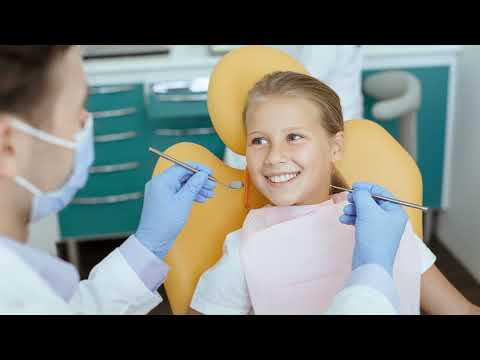
In a growing child, breathing, sleep and facial development are closely linked. Mouth breathing, restless or broken sleep, and jaw discomfort can each be a sign that something is worth looking at more closely. We evaluate children with that whole picture in view — gently, and with their stage of development in mind — then recommend care based on what the evaluation shows.

Treatment begins with understanding the pattern
If you have been told your symptoms are unrelated, or have tried something that did not hold, an evaluation is the place to begin. We will tell you what we find, including when we think the answer lies somewhere other than here.
Request an EvaluationTake a symptom assessment
A few minutes of questions to help you describe what you are experiencing. It is not a diagnosis — it gives us somewhere to begin the conversation.
Jaw, face or head pain
Jaw pain, headaches, or clicking when you chew may point to a TMJ disorder — or to something that interacts with it. This assessment helps describe the pattern. TMJ Symptom Assessment
Snoring, fatigue or broken sleep
Snoring, gasping for air, or waking unrefreshed can be signs of a sleep-related breathing problem. This assessment helps put those signs in order. Sleep Symptom Assessment
Where these patterns tend to show up
Each of these can have several contributing factors, and not all of them are related to the jaw or the airway. Part of the evaluation is telling the difference.
TMJ/TMD pain
Jaw pain, limited opening, and clicking when you chew
Sleep apnea
Snoring, gasping for air, or persistent fatigue
Headaches & migraines
Recurring head and facial pain, where the jaw may play a part
Grinding & clenching
Night-time grinding and daytime clenching, and what drives it
Tinnitus & ear symptoms
Ringing or fullness in the ears that may be linked to the joint
Snoring
Disruptive snoring, and what the airway is doing behind it
Facial nerve pain
Sharp, severe facial pain that needs careful differentiation
Children & adolescents
Breathing, sleep and development in growing patients
How an evaluation works
Three steps, in order. Nothing is recommended until the first two are done.
Request an evaluation
Tell us what you are experiencing, in your own words. Call, text or send a message and our team will arrange a time.
A comprehensive assessment
We examine the jaw and joints, muscles, airway, sleep and oral function, and review your history, to see how they fit together.
A plan built on the findings
We explain what we found and what we think is contributing, then recommend care that fits it — which is not the same for everyone.
Check Out Our Podcast!
TMJ Unlocked is a podcast dedicated to uncovering the truth about TMJ disorders and sleep-related breathing problems. Each episode features expert insights, real patient stories, and the latest research to help listeners understand the connection between jaw health, sleep quality, and overall well-being.